
Water is essential for life, and so is ensuring that the water we consume is clean, safe, and free from contaminants. One of the most effective and widely used methods of water purification is through carbon filtration. Carbon filters play a significant role in water purification systems, and their importance continues to grow as people become more aware of water quality and safety. This article dives into everything you need to know about carbon filters, from how they work to their benefits, types, and maintenance tips.
What is a Carbon Filter?
A carbon filter is a device that uses activated carbon to remove impurities and contaminants from water. Carbon is highly porous and has an expansive surface area that allows it to trap various types of impurities effectively. Activated carbon is created by heating carbon-rich materials, like wood, coconut shells, or coal, in the absence of oxygen. This process “activates” the carbon, giving it the ability to adsorb — not absorb — contaminants.
The difference between absorption and adsorption is crucial to understanding how carbon filters work. Absorption is when one substance is taken into another (like a sponge soaking up water), while adsorption is when one substance sticks to the surface of another. Carbon filters adsorb contaminants onto their surfaces, trapping them within their intricate pore structure.
How Does a Carbon Filter Work?
Carbon filters purify water through a process called adsorption, where contaminants adhere to the activated carbon’s surface. When water passes through the carbon filter, the carbon attracts and binds contaminants to its surface, removing them from the water.
Activated carbon filters use two types of filtration methods:
- Physical Adsorption: This process removes larger contaminants, such as sediment and particulates, by trapping them within the filter’s pores.
- Chemical Adsorption: Activated carbon also has a high affinity for chemical pollutants, which get chemically bonded to the carbon’s surface, allowing it to remove chlorine, chloramines, pesticides, volatile organic compounds (VOCs), and other harmful chemicals.
The effectiveness of a carbon filter depends on several factors, including the size of the particles, water flow rate, and the filter’s material and pore size.
Benefits of Using Carbon Filters
Carbon filters have gained popularity because of their efficiency in removing a broad range of contaminants. Here are some key benefits of using carbon filters in your water purification system:
- Effective Removal of Chlorine and Chloramines: Municipal water often contains chlorine or chloramines, which act as disinfectants but can leave an unpleasant taste and odor. Carbon filters are highly effective in removing these chemicals, making water taste fresher and more palatable.
- Improved Taste and Odor: One of the most noticeable benefits of using a carbon filter is the improvement in water taste and odor. Removing chlorine, VOCs, and other chemicals ensures that the water is not only safer but also more enjoyable to drink.
- Reduction of Harmful Chemicals: Carbon filters can remove or reduce chemicals like benzene, trihalomethanes (THMs), and other harmful VOCs that have been linked to health issues. This makes carbon filters an excellent choice for enhancing the safety of your drinking water.
- Cost-Effective Filtration Solution: Compared to other types of water filters, carbon filters are relatively affordable and efficient. They require less maintenance and provide long-lasting service, making them a cost-effective solution for both households and businesses.
- Eco-Friendly: Carbon filters are more environmentally friendly compared to other filtration options like reverse osmosis, which can waste water. Carbon filters do not require electricity and do not produce wastewater, reducing their environmental footprint.
Types of Carbon Filters
Carbon filters come in various types, each suited to different applications and needs. Here are some common types of carbon filters:
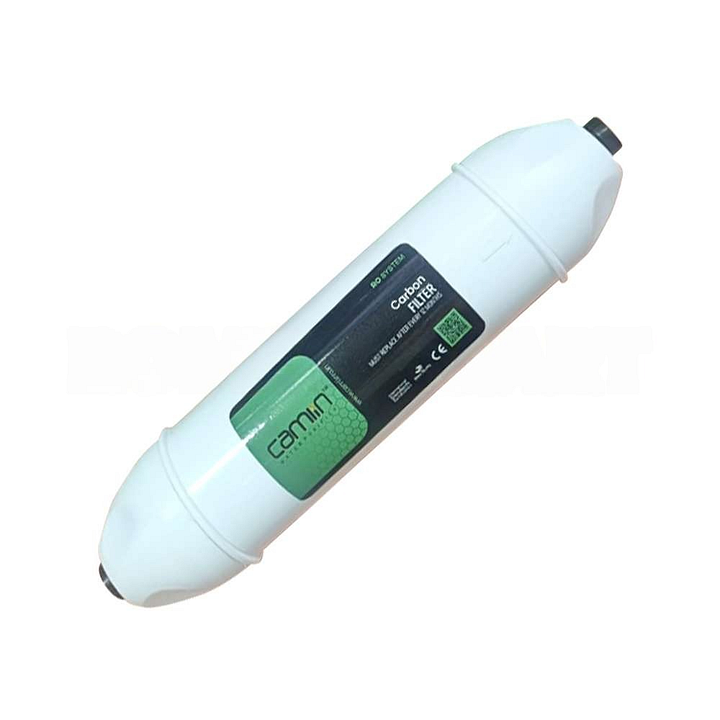
- Granular Activated Carbon (GAC): These filters use loose granules of activated carbon. They offer good adsorption but may not be as effective as other types for removing very fine particles. GAC filters are commonly used in household water filters and pitchers.
- Carbon Block Filters: Carbon block filters are made by compressing carbon powder into a solid block. This design provides a larger surface area for adsorption, making them more effective in removing smaller contaminants. Carbon block filters are popular in under-sink and countertop water filters.
- Powdered Activated Carbon (PAC): PAC filters use powdered activated carbon, which allows them to have a larger surface area for adsorption. These filters are used primarily in municipal water treatment facilities but can also be found in some home water filtration systems.
- Catalytic Carbon Filters: These filters are treated to enhance their ability to remove chloramines. Catalytic carbon filters are especially beneficial in areas where water is disinfected with chloramines instead f chlorine.
- Carbon Composite Filters: These filters combine carbon with other filtration media, such as ceramic or ion exchange resins, to provide multi-stage filtration. Carbon composite filters are versatile and can remove a wider range of contaminants than traditional carbon filters.
Applications of Carbon Filters
Due to their versatility, carbon filters are used in various applications:
- Residential Water Filtration: Carbon filters are commonly used in household filtration systems, such as under-sink filters, refrigerator filters, and water pitchers.
- Air Purification: Carbon filters are used in air purifiers to remove odors, smoke, and VOCs from indoor air, making them popular for both residential and commercial use.
- Industrial Applications: Carbon filters are used in manufacturing and chemical industries to remove contaminants from water, gas, and air.
Maintenance and Replacement of Carbon Filters
To ensure the effectiveness of a carbon filter, it’s essential to maintain and replace it as needed. Over time, a carbon filter’s pores will become saturated with contaminants, reducing its ability to purify water. Here are some tips for maintaining your carbon filter:
- Replace Regularly: Follow the manufacturer’s recommendations for replacing the filter. Most carbon filters need to be replaced every 3 to 6 months, depending on usage and water quality.
- Check Flow Rate: A decrease in water flow rate can indicate that the filter is clogged and needs to be replaced.
- Avoid Hot Water: Carbon filters are designed for use with cold or room-temperature water. Using hot water can damage the filter and reduce its lifespan.
- Use Pre-Filters: In areas with high sediment content, consider using a pre-filter to prevent large particles from clogging the carbon filter prematurely.
Limitations of Carbon Filters
While carbon filters are effective for many contaminants, they have some limitations:
- Ineffective Against Microorganisms: Carbon filters are not designed to remove bacteria, viruses, or other microorganisms. For microbial removal, additional treatment methods, like UV purification or ultrafiltration, are required.
- Cannot Remove Dissolved Minerals and Heavy Metals: Carbon filters do not remove dissolved minerals or heavy metals, such as lead and mercury. To tackle these, you’ll need a system with reverse osmosis or ion exchange capabilities.
Conclusion
Carbon filters are a reliable and cost-effective solution for improving water quality in homes and businesses. By effectively removing chlorine, VOCs, and other harmful chemicals, carbon filters enhance the taste and safety of water. However, it’s essential to select the right type of carbon filter based on your specific water quality needs and to maintain it properly to ensure its effectiveness. Although carbon filters have some limitations, they remain a fundamental component of many water purification systems, offering a cleaner, healthier water source for you and your family.