
Reverse Osmosis (RO) systems have become a cornerstone in water purification, providing clean and safe water for domestic, commercial, and industrial use. Among the key components of an RO system, the carbon filter plays a vital role in ensuring water quality and taste. In this blog, we will explore the significance of RO carbon filters, their functionality, types, maintenance, and benefits.
What is an RO Carbon Filter?
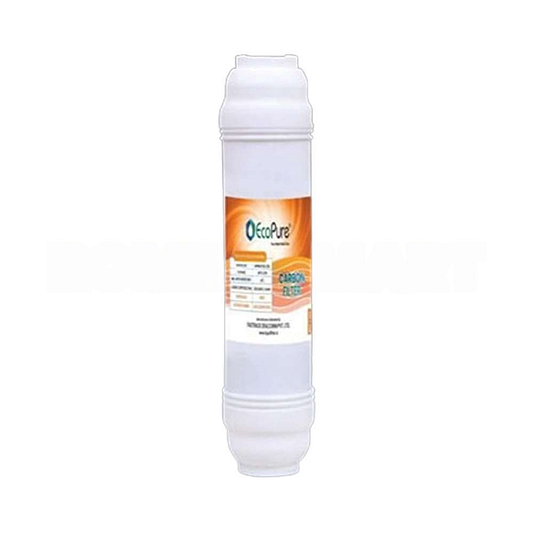
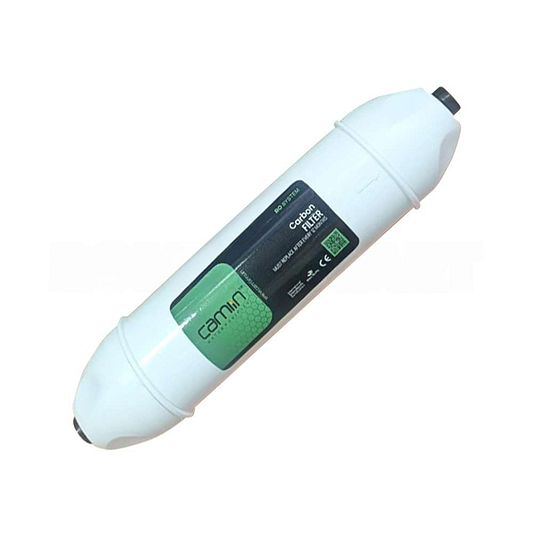
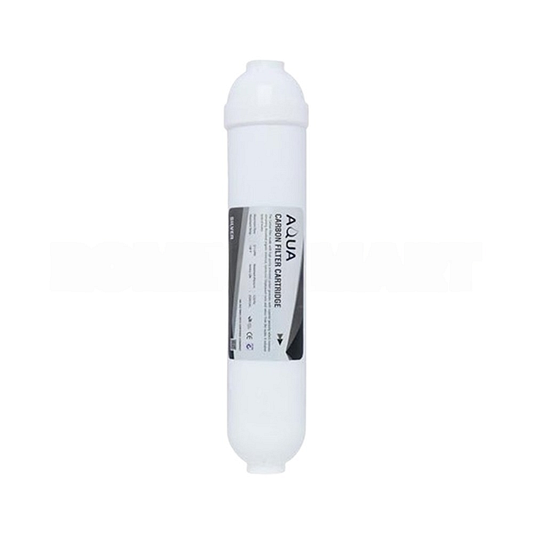
An RO carbon filter is a filtration component made from activated carbon, designed to remove impurities such as chlorine, organic compounds, and unpleasant odors from water. These filters are typically placed before the RO membrane to protect it from damage and prolong its lifespan.
Activated carbon is derived from sources like coal, wood, or coconut shells. The activation process increases the surface area of the carbon, making it highly effective in adsorbing contaminants.
How Does an RO Carbon Filter Work?
The functionality of an RO carbon filter relies on adsorption, a process where impurities adhere to the surface of the activated carbon. Here’s how it works:
- Chlorine Removal: Chlorine is a common disinfectant in municipal water supplies but can damage RO membranes. The carbon filter neutralizes chlorine molecules, ensuring the system functions efficiently.
- Organic Compound Removal: Volatile Organic Compounds (VOCs) and pesticides are trapped by the porous structure of the activated carbon.
- Odor and Taste Improvement: The filter eliminates sulfur compounds and other substances that cause foul smells and tastes, ensuring water is both pure and palatable.
Types of RO Carbon Filters
RO systems utilize two main types of carbon filters:
1. Granular Activated Carbon (GAC) Filters
- Composed of loose carbon granules.
- Effective in improving taste and odor.
- Best suited for pre-filtration in domestic systems.
2. Carbon Block Filters
- Made by compressing activated carbon into a solid block.
- Offers higher filtration efficiency by removing smaller particles.
- Commonly used in high-end RO systems for both pre- and post-filtration.
Benefits of Using an RO Carbon Filter
1. Enhanced Water Taste and Odor
Carbon filters remove unpleasant smells and improve the taste of water by eliminating organic impurities.
2. Protection for the RO Membrane
By removing chlorine and other harmful chemicals, the carbon filter protects the delicate RO membrane, increasing its lifespan and reducing maintenance costs.
3. Reduction of Health Risks
Activated carbon removes hazardous contaminants like pesticides, herbicides, and VOCs, ensuring safe drinking water.
4. Eco-Friendly Filtration
Unlike some filtration methods that produce waste, carbon filters rely on natural adsorption, making them an environmentally friendly choice.
When Should You Replace Your RO Carbon Filter?
The lifespan of an RO carbon filter varies based on water quality, usage, and the type of filter. Generally:
- Domestic Systems: Replace the carbon filter every 6–12 months.
- Commercial and Industrial Systems: Replace more frequently, depending on water demand.
Signs that your carbon filter may need replacement include:
- Reduced water flow.
- Persistent chlorine smell or bad taste.
- Increased pressure on the RO system.
Tips for Maintaining Your RO Carbon Filter
To maximize the efficiency and longevity of your carbon filter:
- Regular Inspections: Check for signs of wear or clogging.
- Pre-Filtration Care: Ensure sediment filters are functional to prevent clogging of the carbon filter.
- Scheduled Replacements: Follow the manufacturer’s recommendations for replacement timelines.
- Professional Maintenance: For commercial and industrial systems, hire professionals for regular servicing.
RO Carbon Filters in Different Applications
1. Domestic Use
RO systems in homes rely on carbon filters to ensure safe drinking water free from chlorine and organic contaminants. These filters also preserve the natural taste of water.
2. Commercial Use
Restaurants, cafes, and offices use RO systems with carbon filters to enhance water quality for beverages and cooking.
3. Industrial Use
Industries such as pharmaceuticals and electronics require ultra-pure water. High-capacity carbon filters ensure the removal of impurities at scale.
Environmental Impact of RO Carbon Filters
While RO carbon filters contribute significantly to water purification, their disposal poses environmental challenges. Used filters can release adsorbed contaminants into landfills if not disposed of properly. Consider the following eco-friendly practices:
- Recycling Programs: Some manufacturers offer recycling programs for used filters.
- Reuse in Non-Critical Applications: Old filters can be repurposed for gardening or other non-drinking purposes.
- Eco-Friendly Alternatives: Opt for carbon filters made from sustainable materials like coconut shells.
Choosing the Right RO Carbon Filter
Selecting the right carbon filter depends on:
- Water Quality: Test your water to identify specific contaminants.
- System Type: Ensure compatibility with your RO system.
- Brand Reputation: Choose filters from trusted brands with proven quality.
Conclusion
RO carbon filters are indispensable in modern water purification systems. By removing harmful chemicals, improving taste, and protecting other system components, these filters enhance the overall performance of RO systems. Whether for domestic, commercial, or industrial use, investing in a high-quality carbon filter ensures safe, clean, and great-tasting water.
Regular maintenance, timely replacements, and proper disposal can maximize the benefits of your RO carbon filter while minimizing environmental impact. Make the right choice today for healthier water tomorrow!