
Water purification has become a necessity in today’s world, as increasing pollution levels have compromised the quality of water available for domestic and industrial use. Reverse Osmosis (RO) systems are among the most effective solutions for obtaining clean drinking water. Within the intricate design of an RO water purifier, the Granular Activated Carbon (GAC) filter stands out as a key component that ensures superior water quality.
In this blog, we’ll explore what a GAC filter is, how it works, its benefits, maintenance, and why it’s indispensable for water purification.
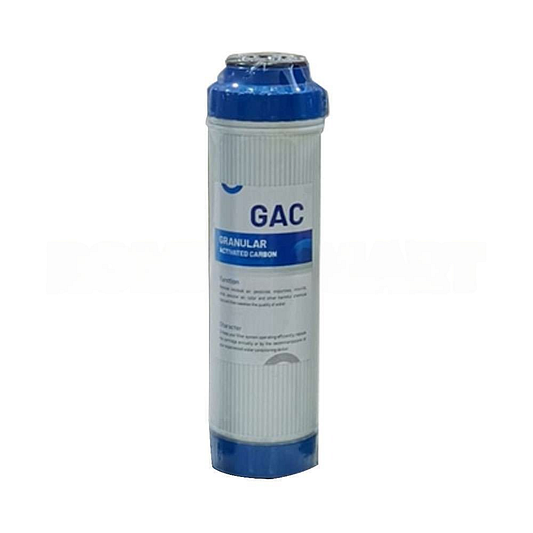
What is a GAC Filter?
A Granular Activated Carbon (GAC) filter is a specialized filter media commonly used in water purification systems, especially RO systems. It is made from activated carbon, a material known for its exceptional adsorption capabilities. The carbon is treated to create a porous structure, giving it a large surface area that effectively traps impurities.
The “granular” form distinguishes GAC filters from other carbon filters. Instead of a solid block, GAC filters consist of tiny granules of activated carbon. This granular form enhances water flow and allows for a higher adsorption rate of contaminants.
How Does a GAC Filter Work?
The GAC filter primarily works on the principle of adsorption, a process where impurities adhere to the surface of the activated carbon. As water flows through the granular carbon, contaminants such as chlorine, organic compounds, and other pollutants bind to the carbon particles, leaving the water cleaner and safer for consumption.
Key Processes in GAC Filtration:
- Chlorine Removal:
Chlorine, often added to municipal water supplies for disinfection, imparts an unpleasant taste and odor. GAC filters efficiently remove chlorine, improving the water’s taste and smell. - Organic Compound Elimination:
Volatile organic compounds (VOCs), pesticides, and herbicides are harmful substances found in water. The GAC filter captures these compounds, reducing potential health risks. - Sediment Filtration:
While not its primary function, the GAC filter can trap some sediments and particulates, though this task is typically handled by a pre-sediment filter in RO systems - Protection for RO Membranes:
By removing harmful chemicals and organic compounds, the GAC filter protects the RO membrane from clogging and damage, prolonging the system’s lifespan.
Benefits of a GAC Filter in RO Systems
The GAC filter is indispensable for various reasons, including:
1. Improved Water Taste and Odor
Tap water often carries unpleasant tastes and odors due to chlorine or organic impurities. A GAC filter removes these, ensuring your water is fresh and palatable.
2. Healthier Drinking Water
By adsorbing harmful contaminants like VOCs and chlorine by-products, the GAC filter reduces health risks associated with long-term exposure to these chemicals.
3. Enhanced RO System Performance
RO membranes are sensitive to chemicals like chlorine. By removing these, the GAC filter protects the membrane, ensuring it functions efficiently and lasts longer.
4. Environmental Benefits
Using an RO system with a GAC filter reduces the need for bottled water, thereby minimizing plastic waste and environmental pollution.
Applications of GAC Filters
While most commonly found in domestic RO water purifiers, GAC filters are also used in various other settings:
- Industrial Water Treatment:
GAC filters are used to purify water in industries such as food and beverage, pharmaceuticals, and cosmetics. - Aquariums:
GAC filters help maintain water quality in aquariums, ensuring a healthy environment for aquatic life. - Point-of-Use Filters:
Some GAC filters are used as standalone units for direct water filtration in homes and offices.
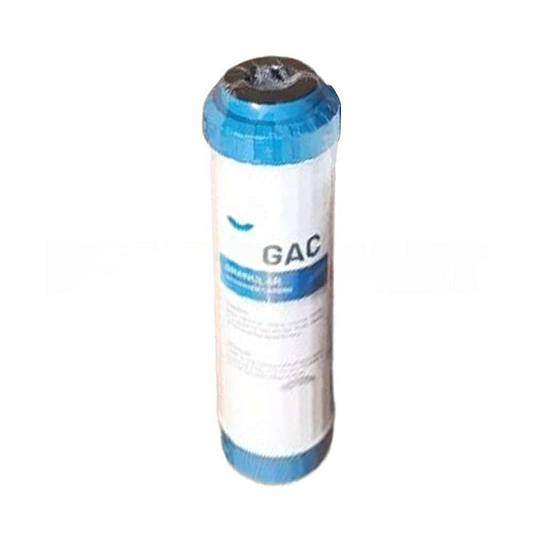
Maintenance of a GAC Filter
Like all filtration components, GAC filters require regular maintenance to ensure optimal performance. Here are some maintenance tips:
- Regular Replacement:
GAC filters have a finite adsorption capacity. Over time, their efficiency decreases, making regular replacement necessary. The typical lifespan of a GAC filter in an RO system is 6–12 months, depending on water quality and usage. - Backwashing:
In some cases, backwashing the GAC filter can help extend its lifespan by removing trapped sediments and refreshing the carbon granules. - Monitor Water Quality:
If you notice changes in water taste, odor, or quality, it may indicate that the GAC filter needs replacement. - Pre-Sediment Filter Maintenance:
Ensuring the proper functioning of the pre-sediment filter can protect the GAC filter from premature clogging by large particles.
Choosing the Right GAC Filter
When selecting a GAC filter for your RO system, consider the following factors:
- Material Quality:
Look for filters made from high-quality activated carbon derived from coconut shells or coal, as these offer superior adsorption capabilities. - Compatibility:
Ensure the GAC filter is compatible with your RO system model. Dimensions and connection types vary, so check specifications carefully. - Brand Reputation:
Opt for filters from trusted brands known for quality and reliability. - Certifications:
Choose filters that meet NSF or ANSI standards to ensure safety and performance.
Why is the GAC Filter Essential for RO Systems?
An RO system typically consists of multiple filtration stages, each designed to target specific impurities. The GAC filter plays a critical role as a pre-treatment stage that removes chlorine and organic compounds, which are harmful to the RO membrane. Without a GAC filter, the membrane’s efficiency and lifespan would be significantly compromised.
Moreover, the GAC filter enhances the overall quality of water by removing unwanted tastes and odors, ensuring a pleasant drinking experience.
Conclusion
The Granular Activated Carbon (GAC) filter is a vital component in RO water purification systems. Its ability to remove chlorine, organic compounds, and other impurities not only ensures clean, safe water but also enhances the performance and longevity of the entire RO system. Proper maintenance and timely replacement of the GAC filter are essential for consistent water quality.
Whether for domestic or industrial use, investing in a high-quality GAC filter is a step toward better health and a cleaner environment. With its proven effectiveness and versatility, the GAC filter remains an indispensable tool in modern water purification technology.