
In our everyday lives, clean water and fresh air are essential for health and well-being. But with rising pollution levels, these basics are harder to achieve. Activated carbon filters, also known as activated charcoal filters, play a vital role in addressing these challenges. From household water purifiers to air purifiers, industrial systems, and more, activated carbon filters offer a powerful, natural way to reduce contaminants and improve the quality of life.
In this blog, we’ll explore how activated carbon filters work, their applications, and the benefits they bring in various settings.
What is Activated Carbon?
Activated carbon, sometimes referred to as activated charcoal, is a form of carbon processed to have small, low-volume pores that increase the surface area available for adsorption or chemical reactions. This high surface area is what allows activated carbon to trap contaminants effectively.
The activation process, which involves heating carbon-rich materials like wood, coal, or coconut shells, opens up tiny pores, creating a large internal surface area where contaminants can be adsorbed. Adsorption is a key concept: unlike absorption, where substances soak into a material, adsorption involves particles adhering to the surface of the activated carbon, capturing pollutants without changing their form.
How Do Activated Carbon Filters Work?
Activated carbon filters work on the principle of adsorption, attracting and trapping pollutants and impurities on their surface. As water or air passes through the activated carbon, pollutants adhere to the surface, effectively removing contaminants from the substance passing through.
- Physical Adsorption: This process traps larger particles like dust, dirt, and sediments, which are physically too large to pass through the carbon pores.
- Chemical Adsorption: The activated carbon surface chemically attracts smaller organic molecules and chlorine, binding them onto the filter surface.
This dual filtration capability allows activated carbon filters to remove a wide range of contaminants efficiently, from large particles to harmful chemicals.
Applications of Activated Carbon Filters
Activated carbon filters are incredibly versatile and are used in a variety of settings:
- Water Purification
- Household Water Filters: One of the most common uses of activated carbon filters is in household water purification systems, where they are used to remove contaminants like chlorine, sediments, volatile organic compounds (VOCs), and bad tastes and odors. While they are effective at removing many harmful substances, they are not as effective in removing dissolved minerals and salts.
- Industrial Water Treatment: In industrial settings, activated carbon filters are used to treat water before it’s discharged back into the environment. This reduces pollutants and helps industries comply with environmental regulations.
- Wastewater Treatment: Activated carbon filters play an essential role in wastewater treatment, especially in filtering out organic pollutants, and are used in the final stages of purification.
Types of Activated Carbon Filters
There are different types of activated carbon filters, each designed to address specific needs:
- Granular Activated Carbon (GAC): This form is commonly used in water and air purifiers. The larger carbon particles allow water or air to flow through quickly, trapping larger contaminants and improving taste and odor.
Powdered Activated Carbon (PAC): Finer than GAC, PAC is often used for applications where quick absorption of small particles is needed. It’s commonly added to water treatment plants for effective purification.
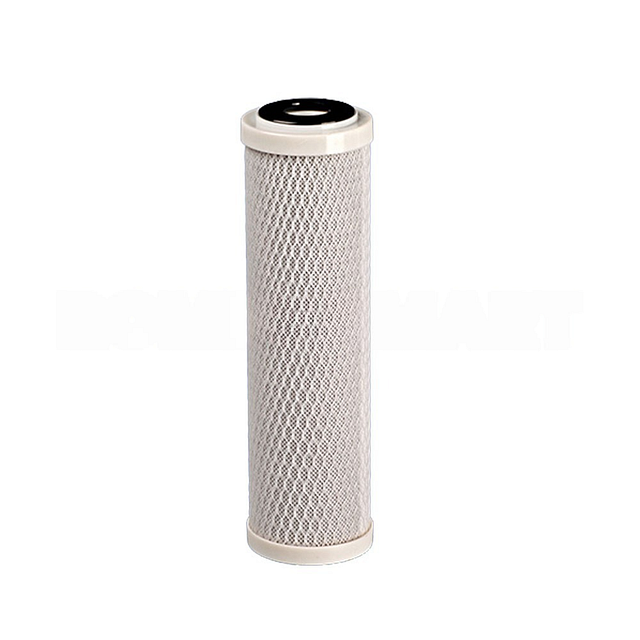
- Carbon Block Filters: These filters are more compact and efficient than GAC and PAC filters. They offer a higher filtration capacity and are ideal for removing smaller particles and chemicals. They are often used in high-end water filtration systems.
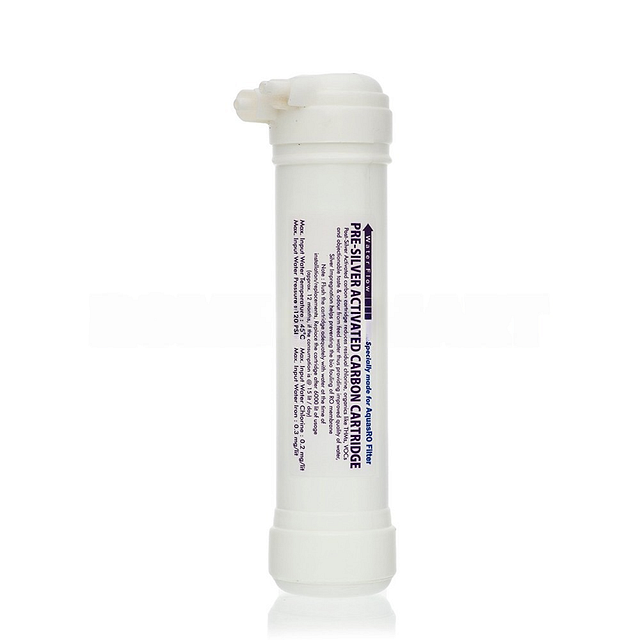
- Impregnated Carbon Filters: Impregnated activated carbon filtersare treated with additional chemicals to target specific contaminants like mercury or formaldehyde, making them highly specialized.
Advantages of Using Activated Carbon Filters
- Efficient Contaminant Removal: Activated carbon filters are highly effective at removing chlorine, VOCs, odors, and other contaminants, improving the taste and quality of water and air.i
- Eco-Friendly: Since activated carbon is made from natural materials, it is an environmentally friendly option, especially compared to chemical-based filtration methods.
- Cost-Effective: Activated carbon filters are relatively affordable and are often low-maintenance. They are an accessible option for households and businesses alike.
- Chemical-Free Filtration: Unlike some water and air purifiers that use chemicals to purify, activated carbon works through adsorption without adding anything artificial to the water or air.
Limitations of Activated Carbon Filters
Despite their effectiveness, activated carbon filters have some limitations:
- Limited Lifespan: Over time, activated carbon filters become saturated and lose their effectiveness. Regular replacement is necessary to maintain optimal performance.
- Not Effective Against Microbial Contaminants: While activated carbon filters can remove some chemicals and VOCs, they are not effective against microbial contaminants like bacteria and viruses. This makes them best suited as part of a multi-stage filtration system.
- Can Be Clogged by Sediment: When used in areas with high sediment levels, activated carbon filters can clog, reducing their efficiency. A pre-filter may be needed to prevent clogging and extend the filter’s life.
Choosing the Right Activated Carbon Filter
When choosing an activated carbon filter, consider the specific contaminants you wish to target. For water purification, a granular activated carbon (GAC) or carbon block filter is usually ideal. For air purification, choose a filter that is specifically designed to capture VOCs, odors, and gases.
Also, take note of the filter’s lifespan. Some filters need replacement every few months, while others last longer. Proper maintenance is key to ensuring your filter continues to work effectively.
Conclusion
Activated carbon filters provide an essential solution for improving water and air quality. Their natural, chemical-free filtration process makes them a popular choice in homes, industries, and medical settings. From reducing chlorine and VOCs in drinking water to removing odors and harmful gases from the air, activated carbon filters are a reliable and versatile tool for promoting a healthier environment.
If you’re looking to invest in cleaner, fresher water or air, consider adding an activated carbon filter to your purification system. Not only will you notice an improvement in taste and odor, but you’ll also be contributing to a cleaner, safer, and healthier world.