
Carbon filters are one of the most common and effective methods of purifying water. Known for their ability to remove impurities and contaminants, these filters have become popular in both domestic and industrial water filtration systems. In this blog, we’ll dive into what carbon filters are, how they work, their types, and their many benefits.
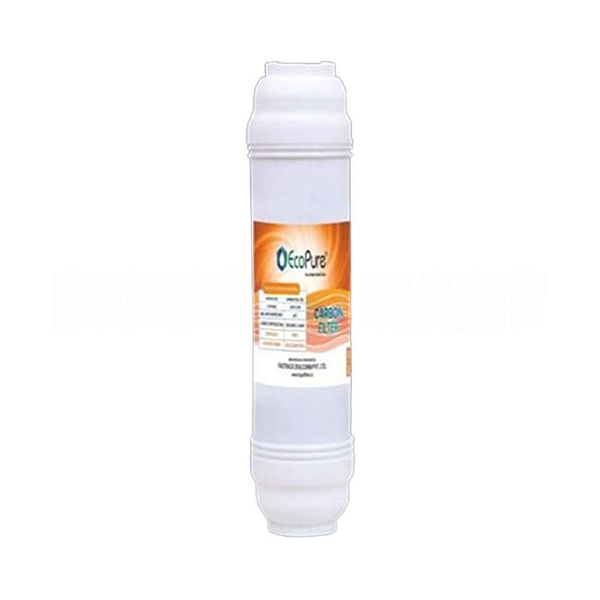
What are Carbon Filters?
Carbon filters are specialized filters made of activated carbon, a form of carbon processed to create small, low-volume pores that increase the surface area available for adsorption. Adsorption is the process by which the filter traps contaminants from water or air, effectively “sticking” them to the surface of the carbon particles. Activated carbon is generally derived from sources like wood, coal, or coconut shells and is known for its high absorbency.
In water purification, carbon filters are widely used due to their ability to effectively remove chlorine, unpleasant odors, volatile organic compounds (VOCs), and some pesticides. This makes water not only safer to drink but also improves its taste and smell.
How Do Carbon Filters Work?
Carbon filters operate based on the principle of adsorption, where contaminants adhere to the porous surface of the activated carbon. Here’s a step-by-step breakdown of the process:
- Adsorption Process: When water flows through the carbon filter, contaminants, chlorine, and VOCs are attracted to the activated carbon’s surface. The intricate network of pores traps these particles.
- Chemical Reactions: Activated carbon can also undergo certain chemical reactions to neutralize some chemicals. For example, when chlorine in water comes into contact with the carbon surface, a chemical reaction occurs that converts chlorine into chloride, a much safer and non-toxic compound.
- Mechanical Filtration: In some filters, carbon is combined with other filtering media to physically block contaminants, making it effective at removing larger particles, such as sediments, rust, and dirt.
Types of Carbon Filters
There are several types of carbon filters, each designed to address different types of contaminants:
- Granular Activated Carbon (GAC) Filters: These filters use loose granules of carbon and are highly effective in reducing chlorine, odors, and certain organic chemicals. Due to their structure, GAC filters provide less resistance to water flow, making them ideal for point-of-entry water treatment systems
- Carbon Block Filters: Made by compacting carbon powder into a solid block, carbon block filters offer a larger surface area for adsorption, thus enhancing their filtration capabilities. These filters are generally more effective at removing smaller contaminants, such as lead and pesticides.
- Powdered Activated Carbon (PAC) Filters: These use a fine powder of activated carbon and are often incorporated into other types of filtration systems. PAC filters are particularly good at adsorbing organic compounds and are often found in reverse osmosis systems as pre- or post-filters.
- Catalytic Carbon Filters: A more advanced form of activated carbon, catalytic carbon is treated to improve its ability to remove chloramines, which are often used as an alternative to chlorine in water treatment.
Benefits of Using Carbon Filters
Carbon filters offer several distinct advantages, making them a top choice in water purification systems:
- Enhanced Taste and Odor Removal: Carbon filters excel at removing compounds that can cause unpleasant tastes and odors in water, especially chlorine. This makes drinking water more palatable and enjoyable.
- Effective Chlorine and VOC Removal: Carbon filters are very effective at eliminating chlorine and VOCs, which are often present in municipal water supplies. These chemicals can have adverse effects on health if consumed in large amounts over time.
- Improved Health and Safety: By removing impurities, including organic chemicals and heavy metals, carbon filters help reduce the risk of waterborne diseases and long-term health effects associated with contaminants like lead, which can leach into water from old plumbing systems.
- Environmental Benefits: Carbon filters offer an eco-friendly solution to water purification. Unlike bottled water, which contributes to plastic waste, carbon filtration provides clean drinking water without the need for disposable containers.
- Low Maintenance and Cost-Effective: Compared to other types of filters, carbon filters require relatively low maintenance and are cost-effective. Most carbon filters only need to be replaced every 6–12 months, depending on usage and water quality.
Applications of Carbon Filters
Due to their versatility and efficiency, carbon filters are used in a variety of applications:
- Domestic Water Purifiers: Many household water purifiers, including countertop and under-sink systems, incorporate carbon filters as their main filtration component to provide safe drinking water.
- Industrial Water Treatment: In industrial settings, carbon filters are used to remove contaminants from water used in manufacturing processes. They play a critical role in ensuring that water used in production meets regulatory standards.
- Aquariums and Fish Tanks: Activated carbon is often used in aquarium filters to remove organic pollutants and keep the water clear and odor-free for fish and other aquatic life.
- Air Purification Systems: Carbon filters are also common in air purifiers, where they help eliminate odors, smoke, and airborne contaminants, improving indoor air quality.
- Food and Beverage Industry: In food and beverage production, carbon filters help purify water and other liquids used in products, ensuring consistency in taste and safety.
Choosing the Right Carbon Filter
When selecting a carbon filter, consider the following factors:
- Water Source: If you’re filtering municipal water, a standard GAC filter may be sufficient. For well water or areas with high pesticide use, a carbon block filter or a catalytic carbon filter may be more effective.
- Contaminant Levels: Knowing the specific contaminants present in your water is essential to choosing the right filter. Home water testing kits or professional testing services can help identify which contaminants need to be targeted.
- System Type: If you’re using a whole-house filtration system, a GAC filter may be the best choice for its lower resistance to water flow. For under-sink or point-of-use systems, a carbon block filter might provide more comprehensive filtration.
Conclusion
Carbon filters have become an essential part of water purification due to their effectiveness in removing contaminants and improving taste and odor. Whether for residential or industrial use, they provide a reliable solution for producing clean, safe water. By choosing the right type of carbon filter for your needs, you can enjoy the benefits of purified water and contribute to a more sustainable environment.